
Before & After
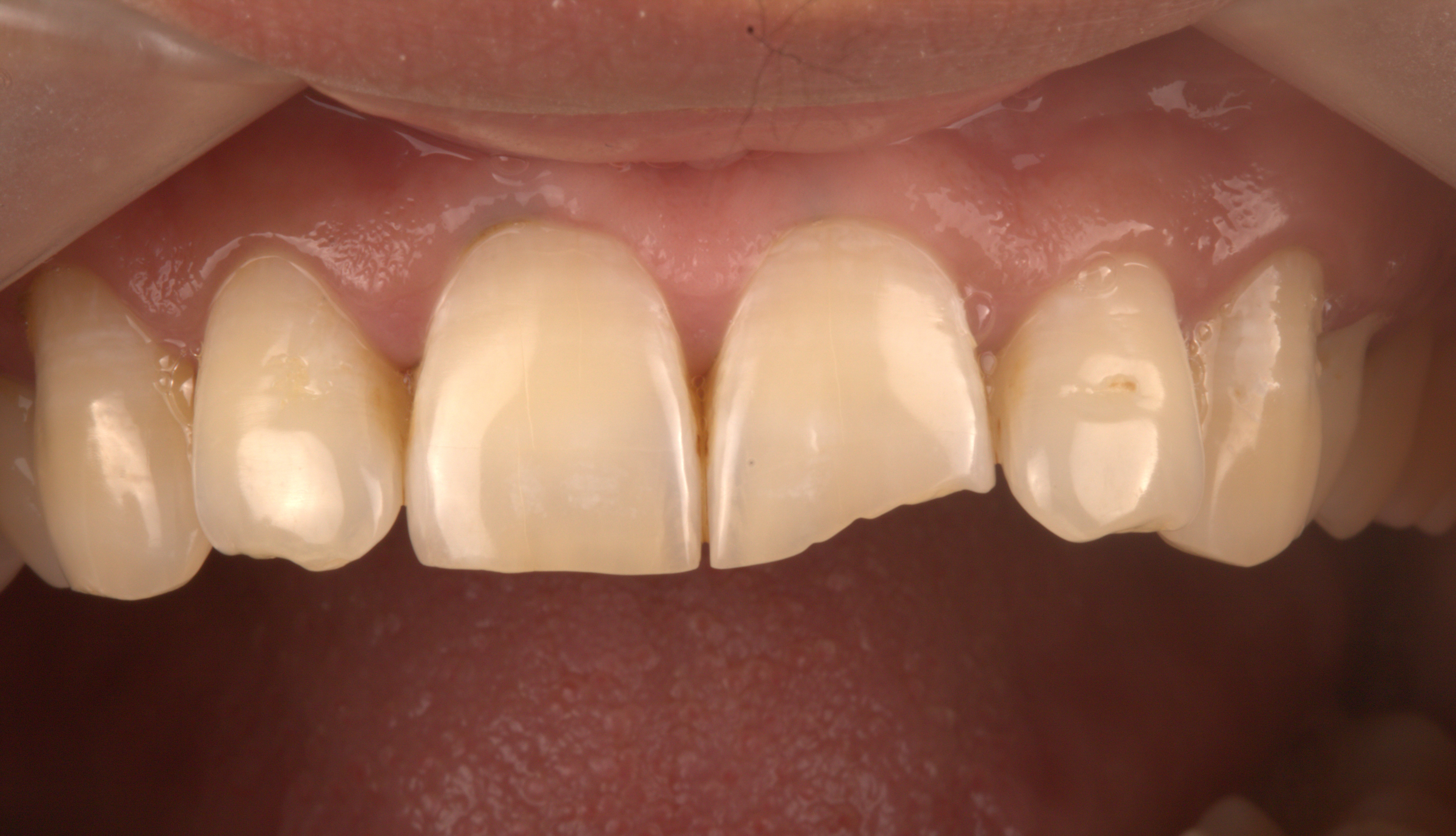
Before
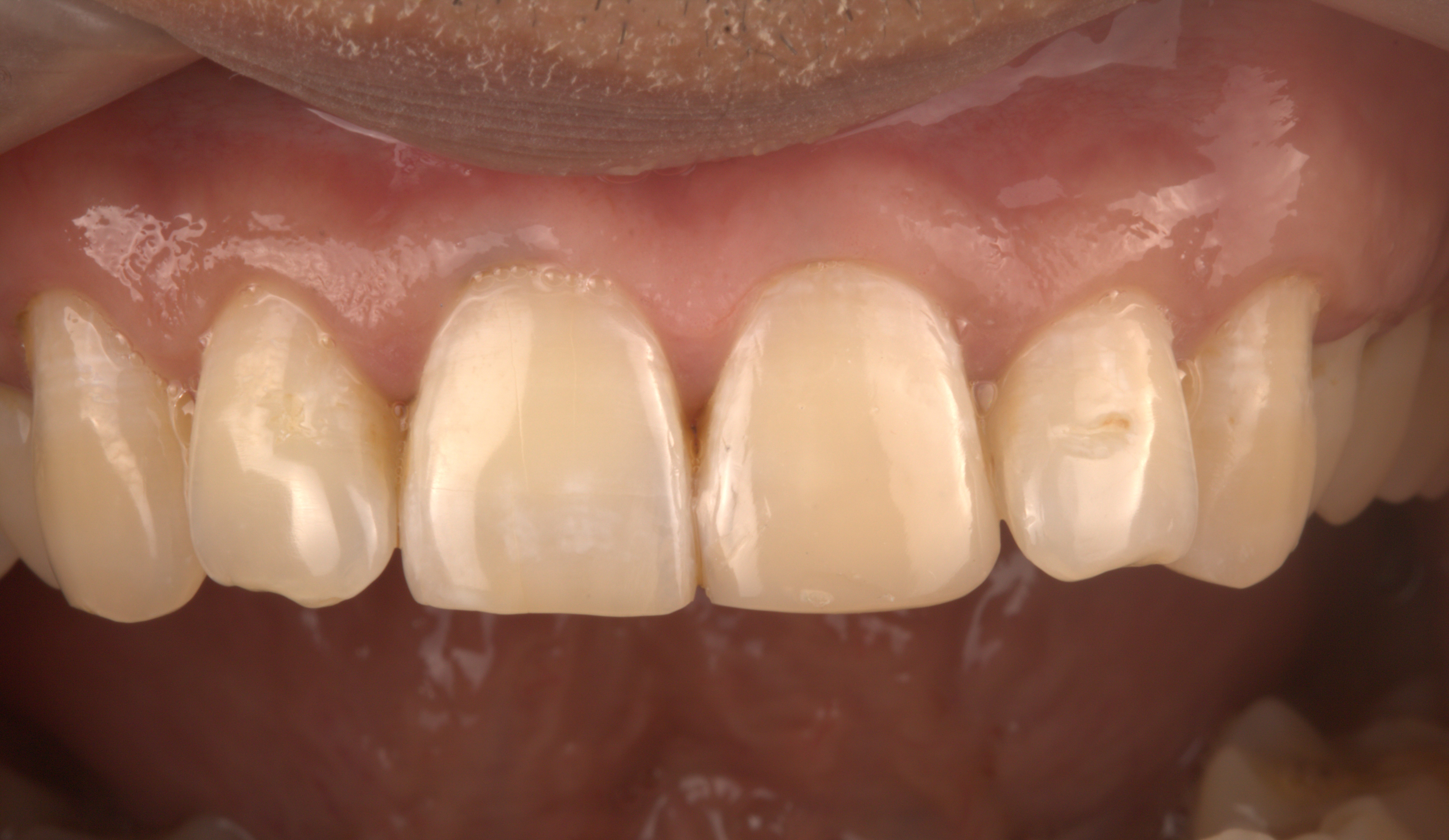
After
Our Procedure
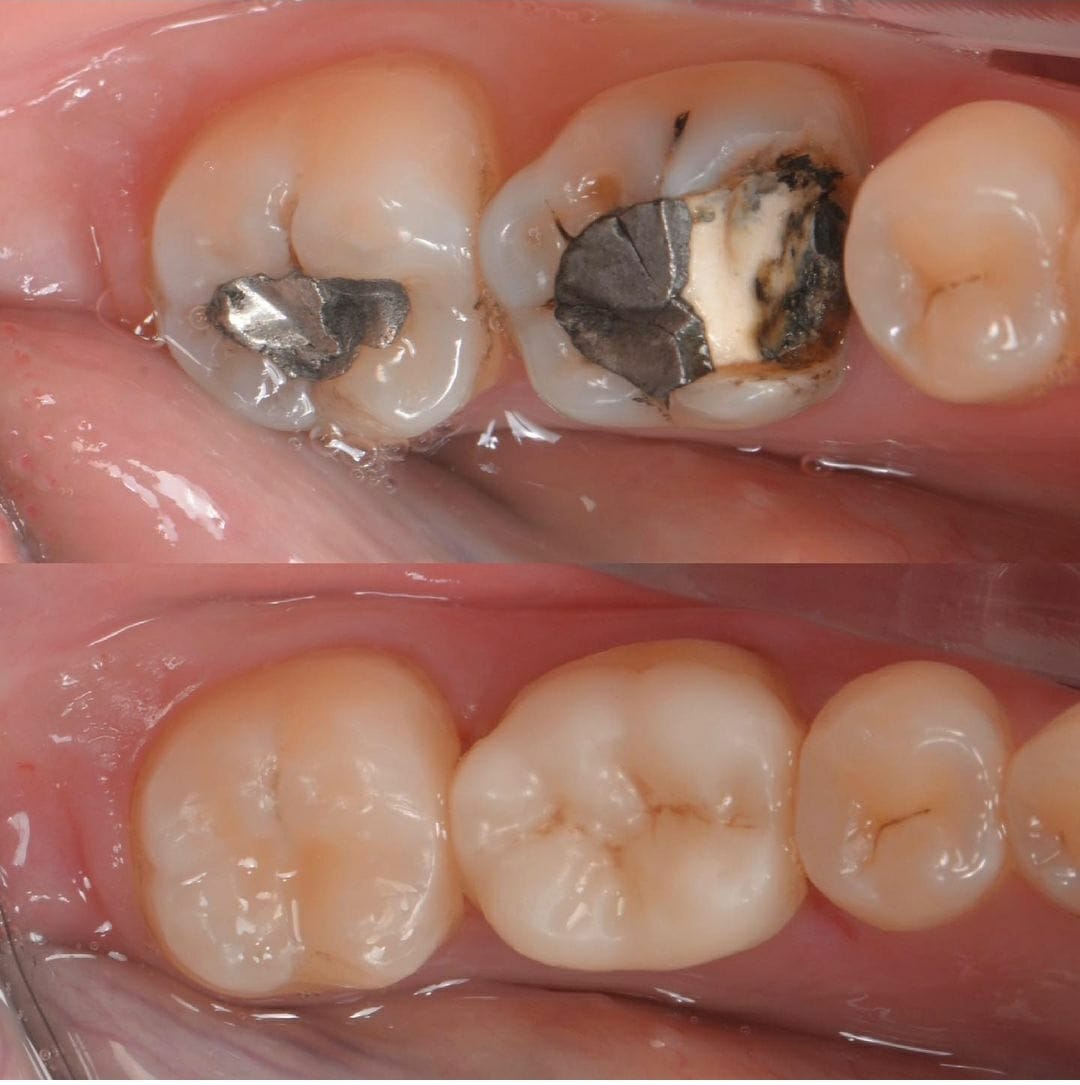
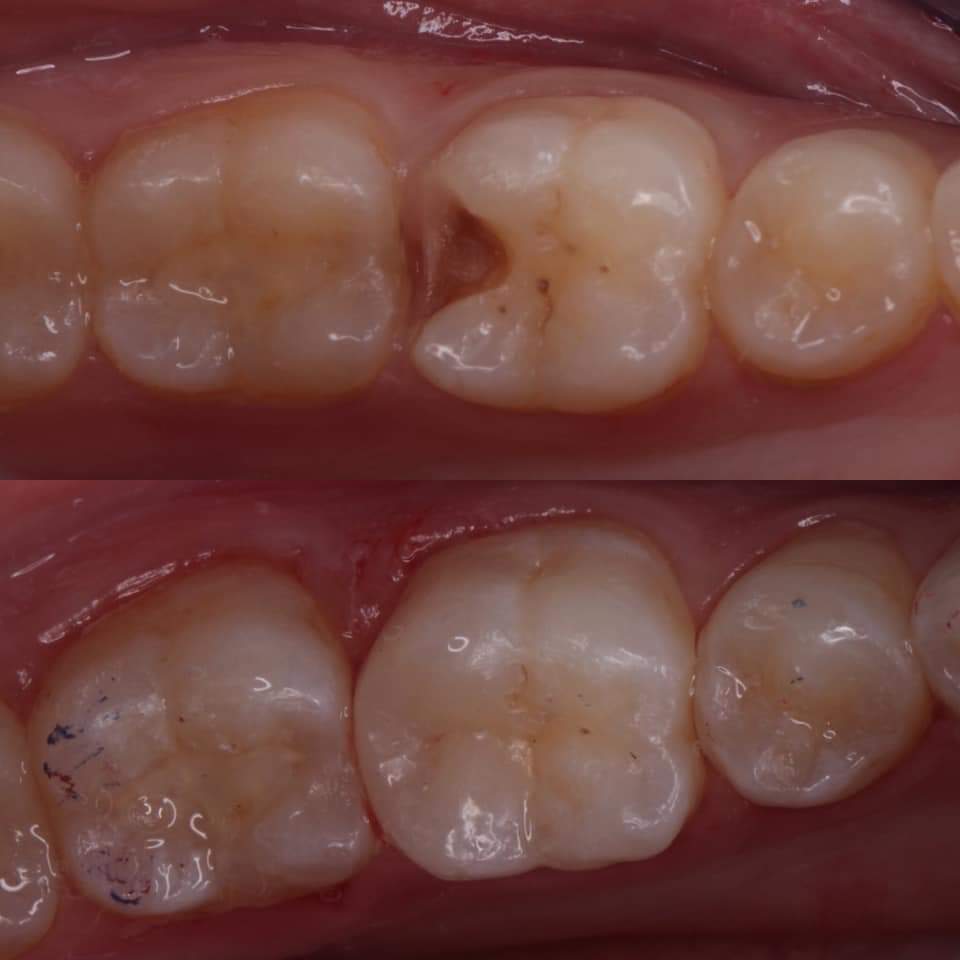
.jpg)
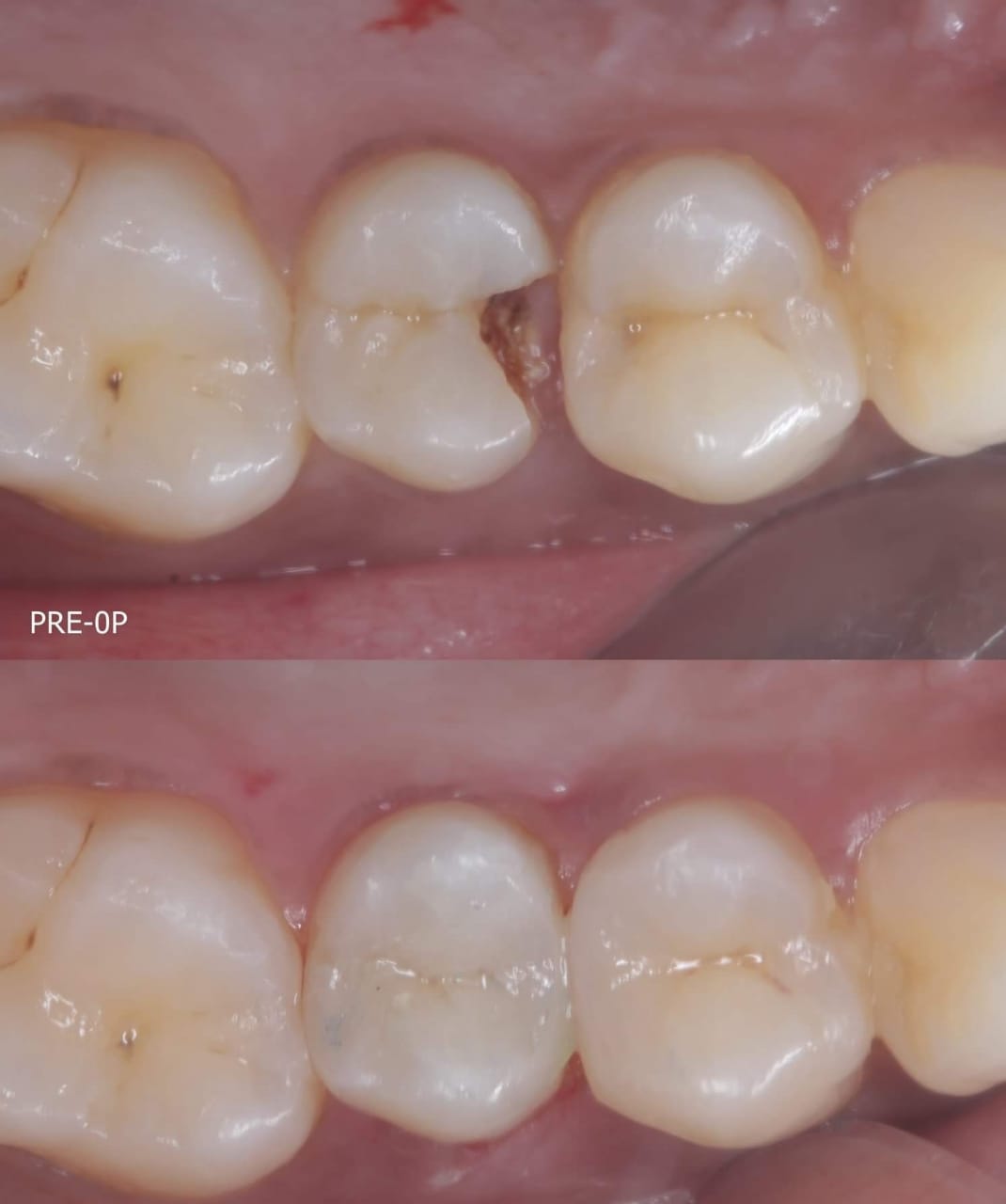
Tooth Colored Fillings
Introduction to Dental Fillings
Dental Filling, also known as Tooth Filling or Cavity Filling, is a restorative dentistry treatment used to address tooth decay and damage. It involves filling missing or decayed tooth structures with materials like Composite, Ceramic, and GIC, improving tooth function and strengthening weakened teeth.
Fillings protect teeth from further decay and repair damage caused by habits such as grinding or nail-biting. They even out tooth surfaces to restore chewing functionality.
Types of Dental Fillings
Fillings vary based on decay severity and patient factors like allergies. Common types include:
1. Composite Fillings
Also called resin fillings, these are made from plastic and resin materials. They can be customized to match your tooth color for a natural look. Besides fillings, composite materials are used in crowns, veneers, inlays, and to repair chipped or broken teeth. These fillings are durable and cosmetically pleasing.
2. Silver Amalgam Fillings
These fillings contain a mixture of metals including mercury, silver, tin, copper, and zinc. Though once popular, they are declining due to concerns over mercury’s health effects and environmental risks, as well as potential allergic reactions.
3. Ceramic Fillings
Made from porcelain, ceramic fillings are solid, durable, and resistant to staining. They closely match tooth aesthetics but are more costly.
4. Glass Ionomer Cement (GIC) Fillings
Made from acrylic and glass, GIC fillings are adhesive and release fluoride, making them ideal for children and areas near gums. However, they lack the durability of other fillings.
When You Need a Dental Filling
Indicators include visible holes, toothache, sensitivity, discoloration, food getting trapped, multiple cavities, or damaged teeth.
- Persistent toothache
- Visible dark spots or holes
- Sensitivity to hot and cold
- Food stuck between teeth
- Tooth damage, cracks or chips
The Procedure for Dental Filling
- Examination: Dentist examines your tooth and may take X-rays.
- Material Choice: Based on severity and allergies, dentist recommends filling type.
- Decay Removal: Using drills and hand instruments, decay and damaged tissue are removed.
- Filling Placement: Filling materials are applied. Porcelain fillings require impressions imprinted for lab fabrication.
- Setting Time: Composite fillings are hardened with a curing light; others set gradually.
- Bite Adjustment: Dentists check and smooth out high spots to ensure comfort.
- Polishing: Final finishing to ensure shine and smoothness.
Consequences of Not Getting a Filling
If untreated, decay worsens, leading to enamel destruction, pulp infection, pain, potential tooth loss, and more costly treatments like root canals or extraction.
Post-Treatment Care
- Soreness may last a few days.
- Avoid very hard or sticky foods initially.
- Use a night guard if you grind your teeth.
- Maintain good oral hygiene with brushing, flossing, and mouthwash.
- Visit your dentist immediately if fillings become loose or pain persists.
Frequently Asked Questions
- How do I care for dental fillings? Maintain oral hygiene diligently, avoid sugary and sticky foods, and schedule regular checkups.
- Advantages of composite vs amalgam fillings? Composite is aesthetic and customizable; amalgam is durable but less natural looking and has health concerns.
- Materials used in fillings? Composite resin, silver amalgam, ceramic, and glass ionomer cement (GIC).
- Why is there pain after fillings? Mild, temporary sensitivity is normal; prolonged pain requires dentist consultation.
- What are indirect fillings? Lab-made inlays or onlays typically from gold or porcelain.
- When to replace fillings? When fillings discolor, crack, or cause discomfort.
- Will fillings make my tooth sensitive? Sensitivity should subside soon; otherwise see your dentist.
- Can fillings fall out? Rare, but possible. Return promptly if it happens.
- How do I know a filling is loose? Persistent sensitivity or discomfort, especially while chewing.